The Fluid Artistry and Versatile Applications of Water Color Pattern Designs
The world of digital design elements is vast, but few styles capture the organic beauty and emotional resonance of watercolor patterns. These designs, characterized by their soft blends, gentle gradients, and spontaneous, fluid textures, have moved beyond the traditional canvas to become a powerhouse asset for creators across numerous fields. The availability of high-resolution files, including JPG, PNG, and editable Ai formats, transforms these artistic expressions into versatile, practical tools.
Deciphering the Core Characteristics of Water Color Patterns
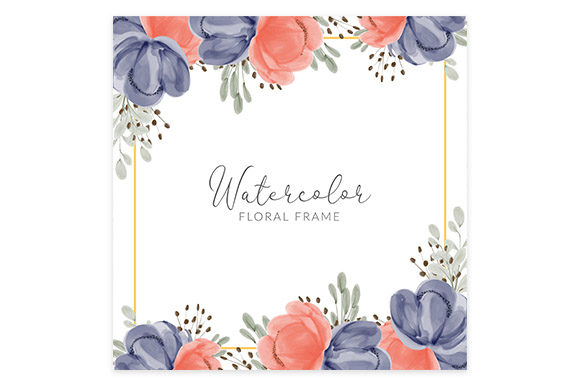
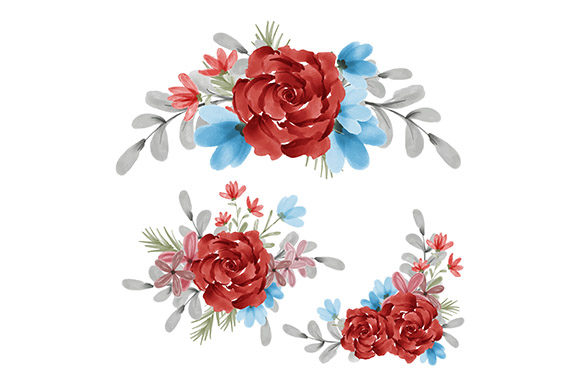
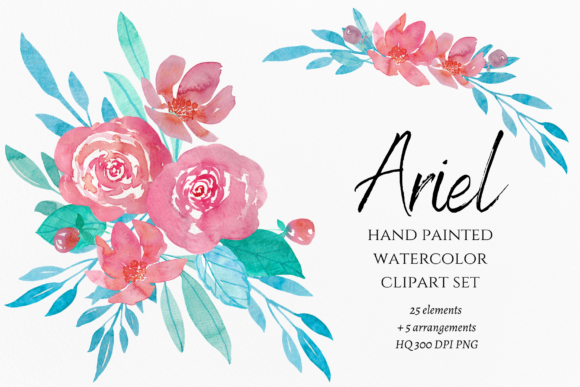
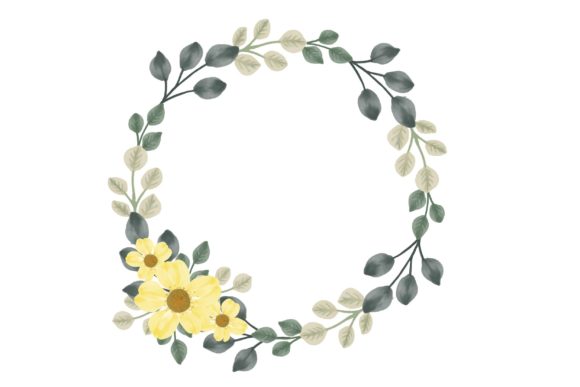
At its heart, a watercolor pattern is a digital representation of the physical painting technique. Unlike rigid vector graphics or flat color blocks, these patterns emulate the unique behaviors of water-soluble pigment on paper. Key characteristics include transparent layers where colors merge to create new hues, soft edges that avoid hard lines, and visible brushstroke textures that lend authenticity. A true high-quality watercolor floral design will showcase these traits with sharp, clean lines in the digital file, ensuring that the delicate artistry remains intact even when scaled for large formats.
The magic lies in the balance between control and chaos. The patterns often feature intentional overlaps and bleeds, creating a sense of depth and movement. This organic randomness is what makes each design unique, yet it is captured with precision in the high-resolution output. The resulting JPG and PNG files preserve every subtle wash and pigment bloom, while the accompanying Ai file allows designers to deconstruct and adapt the core elements without losing the essential watercolor quality.
From Digital Files to Physical Creations: Primary Use Cases
The practical transition from a downloaded file to a finished product is straightforward, thanks to the high-resolution nature of these assets. For wedding invitations, a watercolor floral design brings a touch of soft elegance and personal artistry, often setting a warm and romantic tone for the event. Greeting cards benefit immensely from the pattern’s inherent warmth and texture, making messages feel more heartfelt and personalized compared to standard stock imagery.
In commercial and DIY product design, applications expand further. The application of these patterns to mugs, packaging, and posters is popular because the fluid art adapts well to curved and flat surfaces. A watercolor pattern on product packaging can convey natural, artisan, or gentle brand values. For home decor prints and DIY projects, the patterns offer a accessible way to incorporate original art into spaces without requiring painting skills from the user. The high-resolution files ensure that whether the project is a small framed print or a large wall decal, the final output remains crisp and visually rich.
The Distinct Advantages for Professionals and Hobbyists
Choosing a watercolor pattern over other design styles comes with a set of clear advantages. The first is emotional impact. The soft, flowing nature of the design evokes feelings of calmness, creativity, and natural beauty. This psychological effect makes it a powerful tool for designers aiming to communicate specific moods.
Another significant advantage is versatility. The same core watercolor pattern file can be recolored, cropped, and layered in the Ai format to serve multiple purposes across a brand’s identity—from a website background to a product label—maintaining consistency while adapting to context. For hobbyists, the provided PNG files with transparent backgrounds are particularly valuable, allowing easy integration into digital scrapbooks, custom t-shirt designs, or personalized stationery without complex editing software.
From a production standpoint, the availability of sharp, high-resolution lines in the files is crucial. It means that even the most delicate details in a watercolor floral design, like a tiny petal or a thin stem, will print cleanly and without blurring. This technical quality bridges the gap between artistic style and commercial-grade usability.
Key Considerations When Selecting and Using Water Color Assets
While the benefits are plentiful, successful use depends on a few considerations. The intended print size or digital display size must align with the file’s resolution. True high-resolution files are essential for large-format posters to avoid pixelation. Understanding file formats is also important: JPGs are typically for final use with a solid background, PNGs for projects requiring transparency, and Ai files for custom modification and scalable vector work.
The color palette of the pattern should be evaluated. Some watercolor patterns use bold, saturated blends, while others employ pastel washes. The choice must complement the project's overall color scheme. Furthermore, the density of the pattern matters. A densely packed floral design might be perfect for a focal point on a greeting card, but a more sparse, open pattern could work better as a subtle background texture on a wedding program.
It’s also wise to consider the uniqueness of the design, as mentioned in the asset description. A truly unique watercolor pattern helps a project stand out, avoiding the generic look of overly used stock patterns. This originality supports brand differentiation for businesses and adds personal value for consumer projects.
Integrating Patterns into Creative and Business Workflows
For graphic design professionals, the workflow integration is seamless. The Ai file can be opened directly in Adobe Illustrator or similar software, allowing the designer to extract individual floral elements, modify colors precisely, or combine the pattern with other vector graphics. This flexibility speeds up the design process while maintaining a high artistic standard.
Small business owners, such as those running craft shops or boutique brands, can utilize these files to create cohesive marketing materials. A single watercolor pattern can be applied across social media graphics (using the JPG), product labels (using the PNG for die-cut shapes), and even physical store signage. This creates a unified visual identity that is both professional and artisanal.
Educators and researchers might find application in creating engaging presentation materials or illustrative content for publications, where a soft visual pattern can make dense information more approachable. Hobbyists and creators engaged in DIY projects often work with simpler software; the provided high-resolution PNG and JPG files are ready-to-use, requiring only placement and printing.
The trend towards customization in many industries makes these assets more relevant than ever. A watercolor pattern provides a base of authentic artistry that users can then personalize, aligning with the growing demand for products and communications that feel tailored and human-centered rather than mass-produced.
Ultimately, the value of a watercolor pattern and its accompanying high-resolution files lies in this dual nature: it is both a finished piece of art and a raw material for innovation. It serves the professional needing a scalable, editable asset and the consumer looking for a beautiful, ready-to-print design. This broad applicability, grounded in the timeless appeal of the watercolor technique, ensures its continued relevance across the ever-evolving landscape of design and decoration.