The Art of Digital Watercolor: Crafting Modern Designs with a Traditional Touch
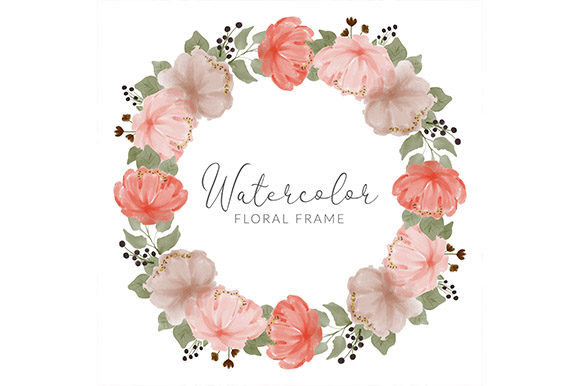
In today’s fast-paced digital world, there’s a growing yearning for the warmth and personality of handmade art. This is where digital watercolor elements, like clipart sets featuring summer flowers or peach and red floral designs, bridge a beautiful gap. These creations begin as physical paintings, lovingly hand-painted on paper, and are then carefully digitized to become versatile digital assets. This process preserves the soul of traditional art while unlocking the boundless possibilities of modern digital design.
From Paper to Pixel: The Journey of Hand-Painted Digital Art
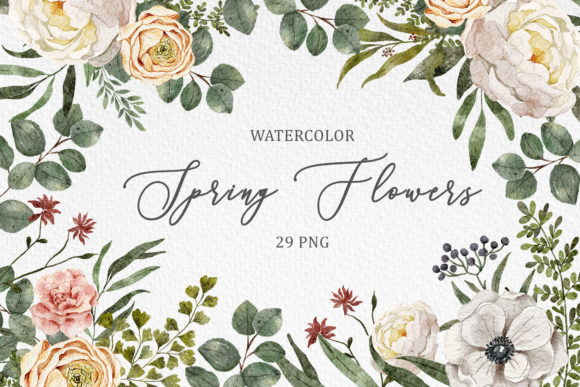
The creation of a digital watercolor clipart set is a journey that honors both craft and technology. It starts with the artist’s hand, a brush, watercolor paints, and a sheet of paper. Each stroke is deliberate, capturing the organic flow of pigment, the soft blends of color, and the unique textures that only real watercolor can produce. This initial artwork—whether a delicate peach blossom, a vibrant red rose, or a cluster of summer blooms—is the foundation.
Once the painting is complete, the digitization process begins. The artwork is scanned or photographed at high resolution, often at 300 DPI (dots per inch) to ensure crisp detail. Using software, the artist then meticulously removes the background, saving the image as a PNG file with a transparent background. This key feature means the floral element can be placed seamlessly onto any digital project without a white box around it. The result is a collection of digital files that retain every nuance of the original painting: the gentle washes, the painterly edges, and the heartfelt imperfections that give it character.
What Makes a Complete Watercolor Clipart Set?
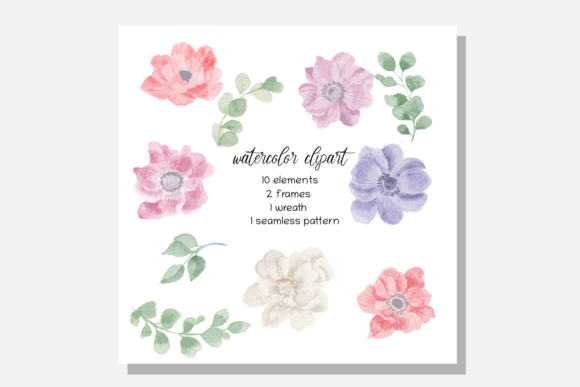
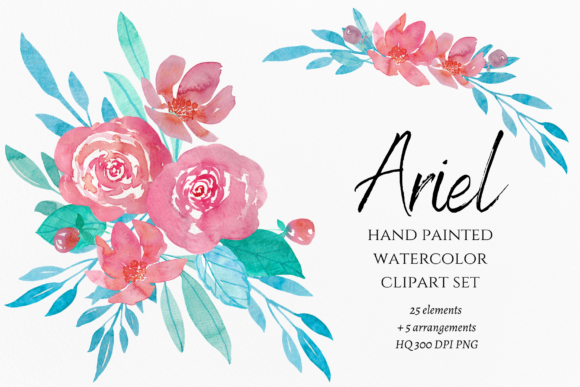
A robust set, like one containing 25 elements, is designed for maximum utility. It typically includes:
- Individual Elements: Such as larger flowers (approximately 4 inches each when printed), branches, and individual leaves. These are the building blocks.
- Pre-made Arrangements: Often 3 or more composed clusters of flowers and foliage. These save time and provide inspiration.
- Frames: Decorative borders, perhaps 2 in a set, that can encircle text or photos.
This variety ensures that whether you need a single rose or a full bouquet, you have the right component at your fingertips.
The Purpose and Significance in Modern Creativity
Digital watercolor clipart is more than just pretty pictures; it’s a tool for empowerment and expression. Its primary purpose is to provide accessible, high-quality artistic elements to people who may not have the time, skill, or materials to paint their own. It democratizes design, allowing anyone with a computer to incorporate professional-level, authentic watercolor art into their projects.
Its significance lies in its hybrid nature. It carries the emotional weight and aesthetic value of traditional fine art, while functioning with the flexibility and efficiency of modern digital graphics. This fulfills a dual need: for beauty that feels real and human, and for assets that are easy to use, resize, and manipulate without loss of quality.
Practical Relevance: Where You Can Use These Floral Elements
The applications are as diverse as the flowers themselves, touching many facets of personal and professional life.
- Event Design: Wedding invitations, birthday party invites, and baby shower announcements gain an elegant, customized feel with watercolor blooms.
- Home and Family: Decorating nursery room printables for a baby’s wall, or creating family scrapbook pages to preserve memories.
- Small Business and Branding: Independent businesses use these elements for logo accents, website graphics, social media posts, and printable product labels to create a soft, artisan brand identity.
- Education and Crafts: Teachers creating beautiful worksheets or parents designing learning materials for children.
- Digital Publishing: Bloggers and content creators enhancing their articles, e-books, or online course materials.
Each use case leverages the art’s ability to convey warmth, celebration, and natural beauty.
Clarifying Common Misunderstandings
When discussing digital watercolor art, a few assumptions often need addressing.
Misunderstanding 1: “It’s just a computer-generated filter.” This is not the case. Authentic sets are derived from actual physical paintings. The digital version is a photograph of that painting, not a software simulation. The texture and color variation are real.
Misunderstanding 2: “Using clipart is unoriginal.” On the contrary, these elements are like a painter’s palette. They provide the high-quality “paint” which the user then composes into their own unique design. The originality comes from your layout, color combinations, and project vision.
Misunderstanding 3: “It’s only for professional designers.” With user-friendly software like Canva, Microsoft Word, or basic photo editors, anyone can drag and drop these PNG files into their projects. The transparent background makes it simple.
Building a Broader Understanding: The Role in Digital Culture
The popularity of hand-painted digital elements reflects a broader trend in our interaction with technology. As我们的生活 become more digital, we seek to infuse that space with analog warmth and tactile history. These watercolor flowers represent a piece of human craft embedded into the digital ecosystem. They fit perfectly into the world of DIY culture, the maker movement, and the desire for personalized, non-generic design in both work and daily activities.
In terms of technology, they showcase how digitization can be used not to replace tradition, but to preserve and proliferate it. They also align with the values of sustainable creativity; one original painting can become a resource for thousands of unique projects worldwide, reducing waste while spreading art.
Ultimately, a set of peach and red watercolor floral elements, or a collection of summer flowers, is more than a product. It’s a bridge. It connects the serene, deliberate pace of watercolor painting with the dynamic, collaborative nature of digital creation. It allows the beauty of a summer garden or the romance of a floral arrangement to blossom in invitations, websites, and home decor, bringing a touch of hand-painted grace to our increasingly digital lives.
Whether you are a seasoned designer looking for authentic textures, a business owner crafting your brand, or a parent designing a birthday card, these elements offer a way to elevate your project with undeniable charm and artistic legitimacy. They remind us that in the heart of the digital age, the human hand—and the beauty it creates—still has a central place.