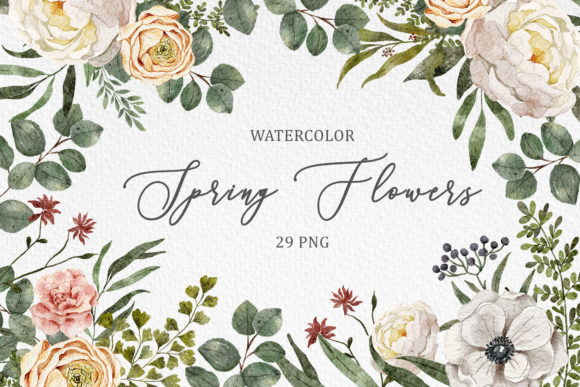
Crafting with Authenticity: The Rise of Watercolor Spring Flowers Clip Art
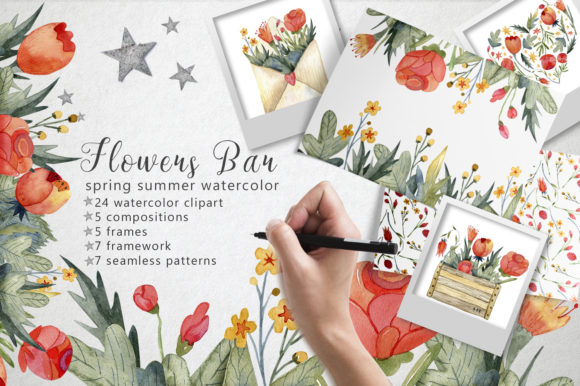
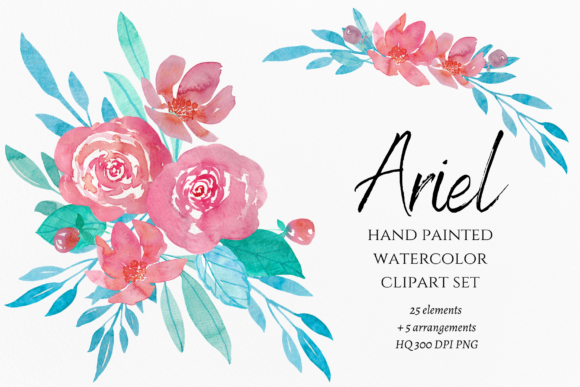
In the digital landscape of design and creation, authenticity holds a new premium. The soft, organic textures of watercolor spring flowers clip art offer a distinctly human touch that stands apart from rigid vector graphics or overly polished digital imagery. This collection, featuring hand-painted botanical elements, speaks to a growing desire for warmth and artistry within our digital projects.
The Allure of the Hand-Painted Digital Element
Why is this specific style resonating so deeply with creators today? It stems from a convergence of trends. As audiences become savvier and more visually literate, they gravitate toward content that feels genuine and crafted. In marketing, a watercolor botanical clip art frame on a newsletter or social media post subtly conveys care and attention, fostering a more personal connection than a sterile template. For bloggers and educators, these romantic floral arrangements can soften the presentation of information, making it more inviting and engaging.
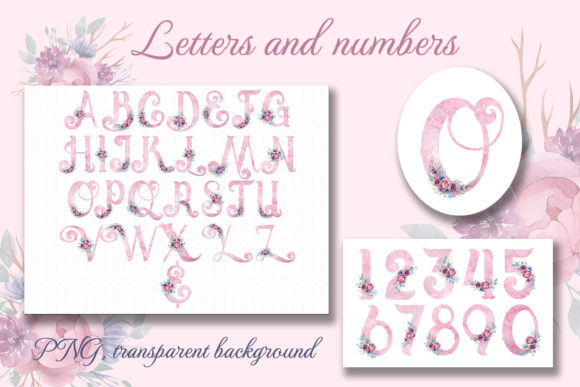
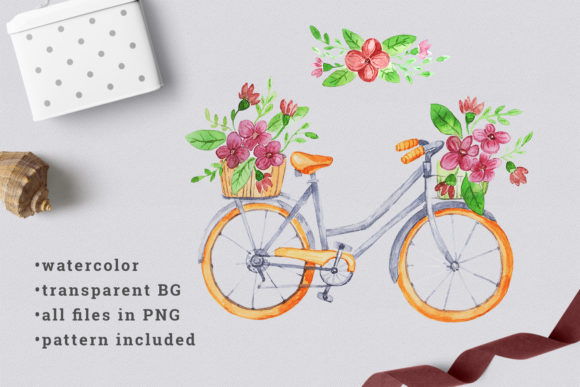
Technologically, the format of these assets—individual PNG files at 300 dpi with transparent backgrounds—is perfectly suited to modern, agile workflows. Creators no longer need specialized software to manipulate complex files; they can drag and drop these high-resolution elements directly into their tools, from Canva to Adobe Photoshop, facilitating rapid prototyping and iteration.
Evolution from Niche Scrapbooking to Mainstream Design
The journey of scrapbooking clipart into the professional sphere is a telling one. Initially cherished by hobbyists for personal memory books, the aesthetic and utility of these elements have expanded dramatically. The digital shift transformed physical scrapbooking supplies into downloadable assets, widening their accessibility. Now, the same hand-painted watercolor floral elements that adorned a family album might be used to brand a boutique’s website or illustrate an online course module.
This evolution reflects a broader blurring of lines between professional and personal creative expression. The tools and aesthetics once reserved for hobbies are now empowering entrepreneurs and freelancers to build unique visual identities without the budget for custom illustration.
Practical Applications Across Professions
The versatility of a comprehensive set, like one containing 29 PNG format at 300 dpi individual elements, frames, and arrangements, is its greatest strength. For the business owner, these assets become instant branding components. A delicate watercolor leaf might serve as a recurring motif on packaging, while a full floral frame could elegantly contain special announcements.
Marketers and content creators find endless utility. A single, isolated flower can highlight a call-to-action button, an arrangement can form the backdrop for a quote graphic, and scattered leaves can add texture to a blog post header. This flexibility allows for cohesive campaign design from a single asset pack.
Educators and trainers utilize this clip art to create more appealing and less intimidating learning materials. Worksheets, presentation slides, and online handouts gain a friendly, approachable quality with subtle botanical touches, which can positively affect engagement.
Meeting Modern User Expectations for Speed and Quality
Current creative workflows demand both high quality and efficiency. The provided zip-archive format delivers ready-to-use resources that meet this dual need. The 300 dpi resolution ensures prints for physical invitations or promotional materials remain crisp, while the RGB color mode and transparent backgrounds make digital use seamless. This ready-made quality allows professionals to maintain a high standard of output without investing hours in sourcing or creating each minor graphic element.
The trend toward remote and distributed work also amplifies the value of such resources. A team, whether for a small business or a classroom, can share the same asset pack, ensuring visual consistency across all outputs created by different individuals, a crucial component for brand and project integrity.
Integrating Aesthetic Trends into Functional Design
The romantic, soft aesthetic of watercolor flowers aligns with several enduring design trends: the return to nature-inspired motifs, the popularity of muted, earthy color palettes, and the appreciation for artisanal, imperfect beauty. By incorporating these elements, designs feel current and emotionally resonant. However, the key is thoughtful integration. A successful project uses these assets as accents and enhancements, not overwhelming the core message. A single, well-placed watercolor spring flowers clip art element on a minimalist webpage can have more impact than a densely floral background.
Beyond Decoration: Strategic Creative Use
Moving from seeing these assets as mere decoration to viewing them as strategic tools unlocks their full potential. Consider the psychological effect: floral and botanical imagery is often associated with growth, freshness, calm, and positivity. Strategically, using a floral frame around a testimonial can subliminally reinforce notions of natural, authentic praise. Using leaves and flowers in a wellness brand’s materials directly aligns imagery with core values.
For the creator or hobbyist, the set encourages exploration. The individual elements allow for custom arrangements, empowering users to compose unique scenes that fit their specific narrative, rather than relying on a pre-made, possibly generic, stock image. This fosters a deeper level of creative ownership and satisfaction.
The demand for watercolor botanical clip art is not a fleeting trend but a response to a mature digital creative environment. It represents a desire to balance efficiency with artistry, to leverage technology without losing the human touch. As we continue to seek ways to make our digital interactions more meaningful and visually compelling, these hand-painted resources provide a practical and beautiful bridge between the painter’s brush and the creator’s screen.