The Elegance of Minimalism: Line Art in Celebration Design
The visual landscape of weddings, anniversaries, and personal celebrations is undergoing a subtle yet profound transformation. While ornate, detailed designs remain popular, there is a growing appreciation for simplicity, clarity, and modern elegance. This shift is embodied in the rising use of line art, a technique that uses distinct strokes to create form without relying on solid fills or complex shading. For commemorative events like weddings and anniversaries, line art offers a unique blend of sophistication and personal touch, becoming a versatile tool for creators and a beloved choice for consumers.
Understanding the Appeal of Line Art Design
At its core, line art is about reduction. It distills complex subjects—like intricate floral arrangements, architectural details, or human figures—into their essential outlines. This reduction is not a loss of detail but rather a focus on form and gesture. In the context of celebration, this minimalist approach achieves several key effects. It feels contemporary and clean, avoiding visual clutter. It also possesses a timeless quality; a well-crafted line drawing can feel both modern and classic simultaneously. Furthermore, the simplicity of the form often enhances emotional resonance, allowing the viewer’s imagination and personal connection to fill the spaces between the lines.
Characteristics of Effective Celebration Line Art
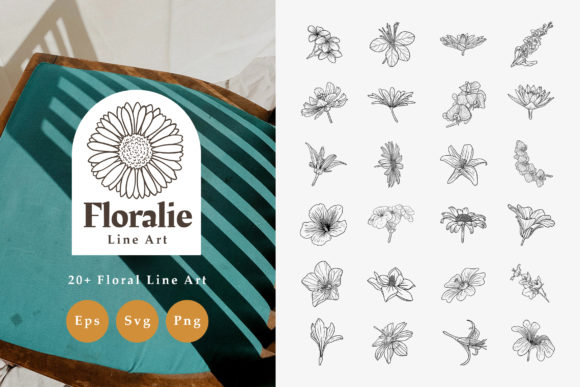
Not all line art is suited for celebratory purposes. Effective designs for weddings, anniversaries, birthdays, and parties often share specific characteristics. The lines are typically confident and flowing, conveying a sense of joy and fluidity rather than rigidity. Subjects are chosen for their symbolic value: intertwined rings for marriage, specific flowers like roses or peonies for love and prosperity, or abstract representations of cake and champagne for birthdays. The composition is carefully balanced, often leaving intentional white space that becomes part of the design itself. This space can later be filled with text, integrated into backgrounds, or left pure to emphasize the minimalist aesthetic.
Primary Applications and Use Cases
The practical application of line art in the celebration sphere is remarkably broad, catering to both professional and personal projects. For weddings, line art is frequently used in invitation suites, save-the-date cards, program brochures, and even website graphics. A single, elegant line drawing of a bespoke wedding dress or the venue’s facade can become a cohesive branding element throughout the event. For anniversaries, custom line art portraits of the couple or a minimalist representation of their first home can be printed on celebration cards, used in digital photo albums, or even etched onto gifts. The editable nature of vector files, like .EPS, means these designs can be scaled perfectly for anything from a small card to a large poster.
Beyond paper goods, these designs thrive in digital spaces. Social media announcements, email newsletters, and online invitations benefit from the clean, scalable nature of vector line art. Floral line art designs with cute backgrounds are particularly popular for creating cohesive digital themes for birthday or party event pages. The transparent .PNG files allow creators to overlay these designs onto various digital backgrounds seamlessly, while the .JPG with white background provides a ready-to-use option for quick uploads.
Advantages of Using Editable Vector Files
For anyone looking to incorporate line art into their projects, the format of the design files is of paramount importance. Receiving an editable .EPS file, as well as .PNG and .JPG versions, provides a spectrum of creative control. The .EPS file is a vector format. This means the design is built from mathematical paths rather than pixels, allowing it to be resized to any dimension without loss of quality. Using software like Adobe Illustrator, a user can change colors, adjust line thickness, add or remove elements, or even combine the design with other artwork. This is invaluable for professionals like stationery designers, event planners, or marketing agencies who need to adapt a core design to multiple client specifications or media formats.
The provided .PNG file with a transparent background offers immediate utility for digital composition. It can be placed over photographs, colored backgrounds, or textured elements without needing a tedious cutting-out process. The .JPG with a white background serves as a reliable, standard image file for printing or posting where a transparent layer isn’t required. This trio of files empowers the user at every level: from the hobbyist making a quick digital card to the professional executing a full branded event suite.
Considerations for Selection and Customization
When selecting or commissioning line art for a celebration, several considerations ensure the design meets its intended purpose. First, consider the line quality and style. Does it match the tone of the event? A delicate, fine line art might suit a formal anniversary dinner, while a bolder, more playful line could be perfect for a birthday party. Second, evaluate the symbolic relevance of the subjects depicted. Personalization is key; a generic floral design is lovely, but one that includes the couple’s favorite flower or a birthday person’s hobby becomes deeply meaningful.
Finally, think about the intended application workflow. If you plan to make significant changes—altering the color scheme to match your wedding palette, or adding specific names and dates—ensure you have access to the editable vector file (.EPS) and basic competency with a vector editing tool. For simpler uses, like quickly adding a design to a photo, the transparent .PNG will be your primary tool. Understanding the relationship between the design file types and your end goals prevents frustration and unlocks the full potential of the artwork.
The Role of Cute Backgrounds in Theme Creation
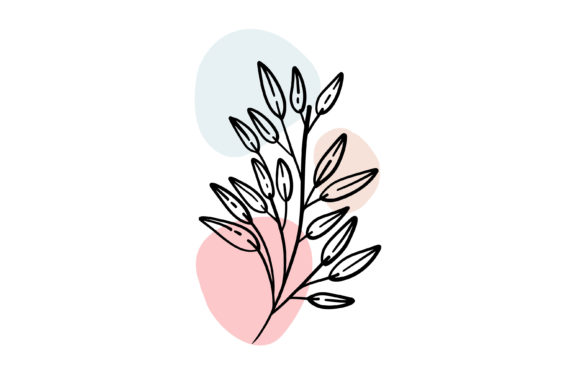
While the line art itself is the focal point, the backgrounds provided or created for it play a crucial supporting role. Cute backgrounds for weddings, anniversaries, birthdays, and parties are not merely decorative fillers. They establish atmosphere and context. A soft, watercolor wash behind a floral line art design can evoke romance and tenderness for a wedding. A pattern of subtle geometric shapes might provide a modern, celebratory feel for an anniversary. For birthdays and parties, brighter, more playful backgrounds with elements like confetti dots or gradient colors inject energy and fun. These backgrounds, when paired with the transparent line art layer, allow for endless theme variations, enabling a single line art design to adapt to multiple events or preferences.
Real-World Relevance for Diverse Audiences
The utility of this design approach extends across the broad audience spectrum. Professionals such as graphic designers and event planners value it for its scalability and ease of customization within client branding systems. Consumers and hobbyists find it accessible; even without advanced skills, they can use the provided .PNG and .JPG files to create beautiful personal projects. Educators teaching design principles might use such files to demonstrate the difference between vector and raster formats. Researchers observing visual culture trends can note the preference for minimalism in contemporary celebration aesthetics. Business owners, especially those in the stationery, gift, or decoration sectors, can incorporate such designs into their product lines, benefiting from artwork that is both trendy and technically flexible.
The underlying principle is that a well-executed line art set, delivered in multiple editable and ready-to-use formats, bridges the gap between high-end design and everyday celebration. It empowers people to create beauty that feels intentional and personal, whether they are experts using Adobe Illustrator or simply someone downloading a file to print for a loved one’s party.
Observations on Trends and Implementation
A natural observation from the increasing use of this style is that celebration design is becoming more integrated. A single line art motif can flow from the physical invitation to the digital wedding website, to the table signage at the event, and finally to the thank-you cards. This consistency creates a memorable and polished experience. The trend also leans towards personalization over generic templates. The ability to edit the core .EPS file means that a purchased design is not a final, static product but a starting point. It can be modified to include monograms, specific dates, or even integrated with other personal illustrations, making each implementation unique.
Implementation, therefore, becomes a matter of choice. One might implement the design swiftly using the pre-made files for a last-minute anniversary surprise. Another might invest time in Illustrator to meticulously tailor the artwork for a large-scale, branded wedding campaign. This flexibility ensures that the relevance of line art for weddings and anniversaries, and for broader celebrations, is not limited by technical skill but is instead amplified by the thoughtful provision of versatile file formats.
In essence, the convergence of minimalist line art aesthetics with practical, multi-format digital assets represents a significant tool in contemporary celebration culture. It honors the emotional weight of events like weddings and anniversaries with elegance, while also embracing the need for adaptability, personalization, and cross-media application. The art lies not only in the lines drawn but in the possibilities they unlock for every person looking to mark a moment in a beautiful, distinctive way.