The Art of Floral Design: Crafting Elegant Wedding Invitations and Greeting Cards
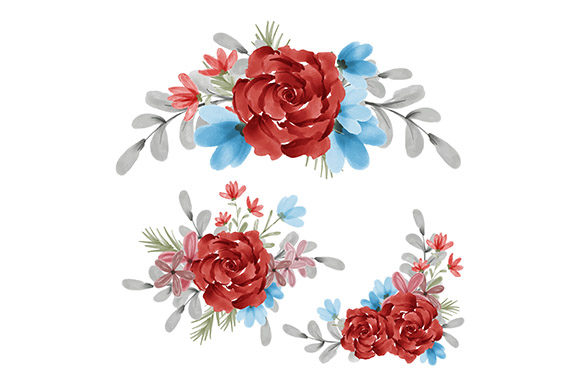
In the realm of creative design, few elements evoke emotion and sophistication as powerfully as florals. A thoughtfully designed set of floral branches—featuring rich reds, deep burgundy, stately navy blue roses, and vibrant green leaves—serves as more than just decoration; it is a foundational toolkit for conveying celebration, love, and formality. This article explores how such vector floral arrangements become the heart of wedding concepts, from posters and invitations to greeting cards, and how their technical qualities like high-resolution vector graphics empower designers and enthusiasts alike.
The Foundation: Understanding Vector Floral Arrangements
To begin, it’s essential to understand what a "set of floral branches" in design entails. Unlike a standard photograph of flowers, these are typically vector illustrations. Vector graphics are created using mathematical paths, points, and curves, meaning they are infinitely scalable without any loss of quality. A design set featuring specific colors like red rose, burgundy, navy blue, and green leaves is not a random assortment but a curated color palette. Each hue carries symbolic weight: red for passion and romance, burgundy for depth and elegance, navy blue for stability and trust, and green for life and growth. Together, they form a cohesive narrative perfect for celebrations, most notably weddings.
The Significance in Wedding Concept Design
Weddings are deeply personal events where every detail communicates the couple's style and story. Floral imagery is a universal language in this context. A floral poster announcing the event or an invitation carrying these designs sets the tone from the moment a guest receives it. The use of a navy blue rose alongside traditional red, for instance, can modernize a classic theme, adding a unique twist. These vector arrangements provide the flexibility to create a consistent visual identity across all wedding stationery—invites, programs, menu cards, and thank-you notes—ensuring a polished and professional aesthetic.
A common misunderstanding is that such designs are only for professional graphic designers. However, with well-organized, high-quality vector files, even beginners using common software can achieve stunning results. The "well-organized" nature of a good design set, with clearly labeled layers and shapes, allows users to easily customize elements, change colors if needed, or isolate a single rose or leaf for a different application.
Practical Relevance: From Digital Files to Physical Beauty
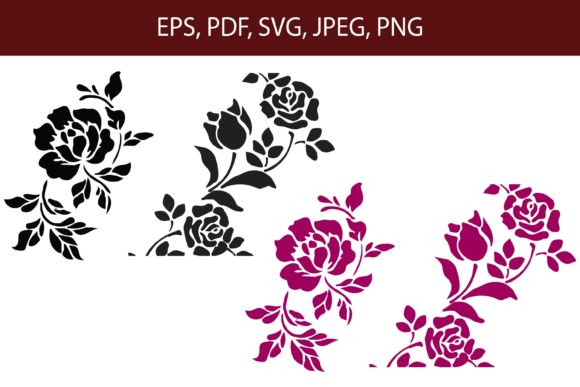
The practical magic lies in the included file formats: PNG, AI, JPEG, SVG, and PDF. Each format serves a distinct purpose in bringing floral design into modern life and work.
- AI (Adobe Illustrator): The native vector file for deep, professional editing and customization.
- SVG: A web-friendly vector format perfect for digital invitations or websites.
- PDF & JPEG: Universal formats for easy viewing, sharing, and print-ready proofs.
- PNG: A raster format with transparency ideal for overlaying designs on digital backgrounds.
Having all these formats means the asset is versatile. A small business owner creating wedding invitation suites can use them; a hobbyist crafting a greeting card for a friend can leverage them; an educator in a graphic design class can use them as a teaching tool for vector principles.
High Resolution and 300 DPI: The Key to Professional Quality
The specification of "high resolution 300dpi" is crucial for print applications. DPI (dots per inch) measures print density. At 300dpi, every detail of the rose petals and leaf veins will print with sharp clarity, whether on a large wedding poster or a small, delicate invitation. This technical assurance removes anxiety about blurry or pixelated outputs, allowing creators to focus on the artistry of arrangement rather than the limitations of the file.
Integration into Modern Creativity and Business
In today's digital ecosystem, such design sets fit seamlessly into workflows. For freelance designers, they are a time-saving base to kickstart client projects. For DIY couples planning their weddings, they offer a path to personalized stationery without the cost of a full custom design service. The "all graphics are 100% vector" guarantee ensures that the designs can be adapted to any size requirement—from a social media banner announcing an engagement to a large-scale backdrop for the wedding reception itself.
Examples of natural application include:
- A Wedding Invitation Suite: Using the navy blue rose as a primary motif on the main invite, with burgundy roses accenting the enclosure cards, and green leaves providing a fresh border.
- A Floral Poster for a Wedding Event: Creating a bold, large-format announcement that combines all floral elements in a balanced, vector arrangement.
- A Thank You Greeting Card: Isolating a single red rose vector to create a simple, heartfelt card post-wedding.
These examples show how one coordinated set can serve multiple touchpoints, reinforcing brand consistency—a principle valuable in both personal events and professional business branding.
Clarifying Common Assumptions
A frequent assumption is that vector files are difficult to use without expensive software. While professional tools like Adobe Illustrator are optimal, many free or low-cost programs like Inkscape or online SVG editors can open and manipulate SVG files. The "well organized" structure of a good set further democratizes access. Another assumption is that floral designs are purely decorative. In reality, they are communicative tools. The choice of a darker burgundy versus a bright red can subtly shift the perceived theme from vibrant and joyful to elegant and refined, guiding the audience's emotional response.
Building a Broader Understanding: Beyond Weddings
While the wedding concept is a primary focus, the utility of such a floral set extends far beyond. The same vector arrangements are perfect for:
- General Greeting Cards: For birthdays, anniversaries, or condolences.
- Branding Elements: For boutique businesses like florists, cafes, or lifestyle brands.
- Educational Materials: In art classes teaching color theory (using the defined palette) or digital design.
- Personal Creative Projects: Enhancing blogs, digital scrapbooks, or home decor DIY projects.
This breadth underscores the investment value of a high-quality, multi-format vector pack. It becomes a reusable asset in one's creative library.
The Final Output: A Toolkit for Elegant Expression
Ultimately, a coloring flowers design set centered on specific floral branches is more than just a collection of images. It is a toolkit for elegant expression. Its significance lies in its combination of artistic curation (the color and form selection), technical excellence (high-resolution vector formats), and practical versatility (multiple file types for various uses). By understanding the purpose of each element—from the symbolic colors to the scalable vectors—anyone from a beginner to an experienced designer can harness it to create meaningful, beautiful work that resonates with audiences.
In the context of modern life, where digital and physical mediums intertwine, such resources bridge the gap. They allow for creativity that is both personally fulfilling and professionally impactful. Whether you are crafting an invitation that marks the beginning of a marriage or a greeting card that strengthens a friendship, these floral vectors provide the foundation to do it with grace, clarity, and impeccable quality. Thank you for exploring the depth and potential within these designs; they are indeed great for creating.