Embrace the Versatility of Watercolor Leaf Vector Illustrations
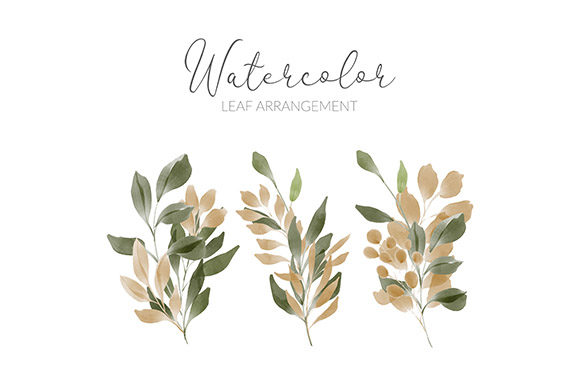
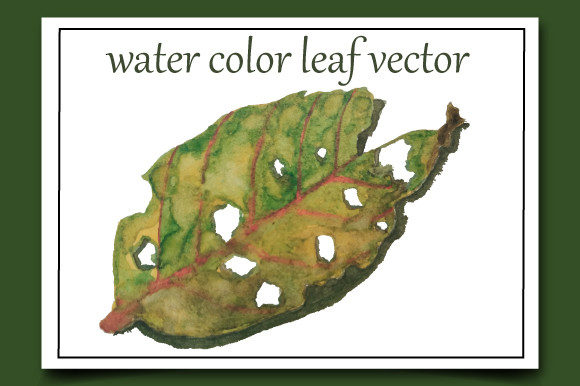
When you hear the term Watercolor Leaf Vector Illustrations, you might picture delicate, artistic, leafy designs. And that’s exactly it, but with a crucial technological twist. They are digital artwork—beautiful, painterly leaves with subtle blends of color, soft edges, and organic texture—created and saved in a vector format. Unlike a standard watercolor painting image (like a JPG), a vector file is built from mathematical paths, meaning it can be resized to absolutely any dimension without losing a pixel of quality.
What Makes This Asset So Powerful for Creators?
The magic lies in the combination of aesthetic and utility. The watercolor style brings warmth, an artistic touch, and a natural feel that is hard to achieve with flat digital graphics. The vector foundation provides limitless scalability and adaptability. Whether you need a tiny leaf icon for a mobile app or a massive leafy backdrop for a storefront mural, the same file works perfectly. This duality solves a common creative problem: finding art that is both beautiful and functionally flexible.
The Real-World Toolkit: What You Actually Download
When you download a set of these illustrations, you typically receive a package designed for maximum workflow compatibility. You get the EPS Vector File, the core master file for professional software like Adobe Illustrator or CorelDRAW. You also receive a High-Quality JPG File, perfect for quick placement in presentations, basic documents, or online mock-ups. Finally, the Transparent PNG File is incredibly useful for overlaying the leaves onto existing backgrounds without tedious cropping, ideal for web design or social media graphics. This trio covers nearly every scenario a modern creator might encounter.
Diverse Scenarios Where These Leaves Flourish
Let’s move beyond the technical and into the practical. Where do these illustrations actually live and breathe? The use cases are remarkably broad.
For the Brand Builder and Marketer
A brand aiming for an organic, eco-friendly, or wellness-focused identity finds immediate resonance with Watercolor Leaf Vector Illustrations. They can be woven into logos, packaging for natural products, website headers for a yoga studio, or marketing campaigns for a sustainable clothing line. The soft, handmade aesthetic builds an emotional connection that flat vector art often cannot.
For the Event and Stationery Designer
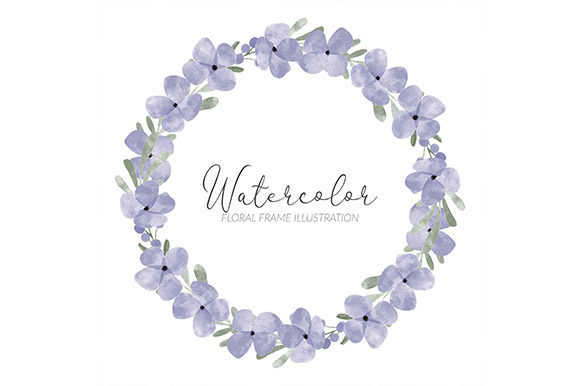
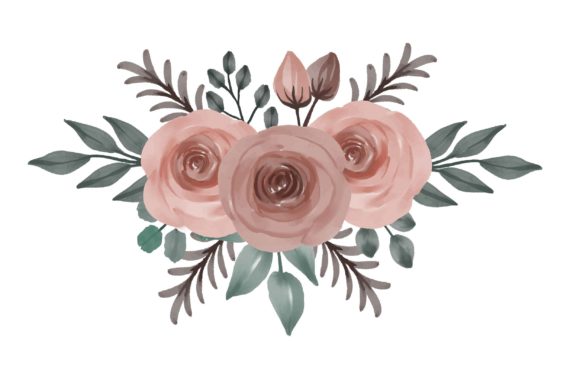
Consider wedding invitations, birth announcements, or workshop flyers. A watercolor monstera leaf or a delicate floral cluster adds a layer of personalized, elegant artistry. Because the files are vectors, the designer can perfectly match the leaf colors to the wedding palette or resize a single leaf to adorn a napkin design, a program cover, and a thank-you card, all from one asset.
For the Digital Content Creator
Bloggers, social media influencers, and online educators can use these assets to break the monotony of stock photography. Transparent PNGs of watercolor leaves can frame blog post titles, create engaging Pinterest graphics, or serve as visual accents in online course materials. They add a consistent, artistic theme that elevates the perceived value of the content.
For the Interior Decorator and DIY Enthusiast
Here’s a physical application: using the high-quality JPG or printed output from the vector file to create actual decor. The illustrations can be printed and framed as standalone art, applied to wall decals, or used as patterns for custom fabric for pillows or curtains. The botanical painting style brings a calm, natural vibe into a living space.
Understanding Different User Needs and Benefits
Not every user approaches these files from the same starting point, and their benefits differ accordingly.
A professional graphic designer benefits from the vector (EPS) file’s editability. They can ungroup elements, change individual leaf colors to match a client’s brand guide, or combine several illustrations into a complex, custom pattern. For them, it’s a raw, high-quality material.
A small business owner with limited design skills benefits most from the ready-to-use PNG and JPG files. They can drag-and-drop a transparent watercolor leaf onto their Canva-made Facebook post or website banner, achieving a polished look instantly without needing to master design software.
A crafts person or artist might use the illustrations as digital collage elements in mixed-media work or as inspiration and reference for their own physical watercolor paintings. The acuarela or akwarele style provides a study in digital watercolor technique.
Practical Considerations Before You Begin
While these assets are incredibly versatile, a little forethought ensures you get the best results. First, consider the color palette. Watercolor leaf sets often come in specific color schemes. Does the muted sage green and blush pink set fit your project’s mood, or do you need a vibrant tropical palette? Some vector files allow for color editing, but others are fixed.
Second, think about complexity and style. Some illustrations are minimalist—a single, elegant leaf. Others are dense clusters of watercolor florals and foliage. The right choice depends on your application: a simple icon needs a simple graphic; a full background needs density.
Finally, confirm software compatibility. If you intend to edit the core vector file, ensure you have (or have access to) software that can open EPS files. If you only work with basic tools, then your focus should be on the quality of the provided JPG and PNG files.
A Note on Limitations
The strength of Watercolor Leaf Vector Illustrations is their artistic, somewhat soft and imperfect style. This is also their limitation. They are not suitable for projects requiring hyper-realistic photography, hard-edged geometric design, or a strictly corporate, technical aesthetic. They thrive where emotion, nature, artistry, and warmth are the goals.
From Download to Application: Making It Work for You
The journey from downloading the folder to having the art in your project is key. Organize your files: keep the EPS for future major edits, the PNGs for quick web/digital use, and the JPGs for general placements. Start by experimenting with the PNGs on a test background to see how the transparency works. For print projects, always use the exported file from the vector master or the high-res JPG to ensure clarity. Remember, these are your watercolor inspiration tools—they can be used as-is for efficiency or deconstructed and remixed for originality.
Ultimately, Watercolor Leaf Vector Illustrations represent a bridge. They connect the timeless, tactile beauty of watercolor painting and botanical illustration with the dynamic, scalable needs of modern digital and physical design. They provide not just a graphic, but a versatile artistic resource that empowers creators across industries to add a touch of organic elegance with unparalleled practical ease.